Intelligent CNC Systems: How AI Is Transforming Machine Tools and Smart Manufacturing

Discover how Intelligent CNC Systems leverage AI, real-time data analysis, and predictive maintenance to improve machining accuracy, reduce downtime,

Discover how Intelligent CNC Systems leverage AI, real-time data analysis, and predictive maintenance to improve machining accuracy, reduce downtime,

Injection molding is a widely used manufacturing process, but it is prone to a range of typical defects that can affect product appearance, mechanical performance, and long-term reliability.

Experienced injection molding technicians all know this: the mold sets the foundation, the material determines the properties, and the process determines the yield rate.

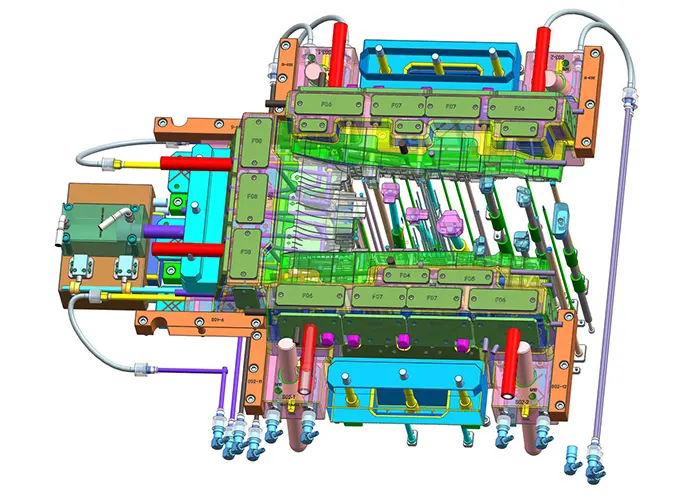
The development of the automotive manufacturing industry depends largely on advancements in mold technology, particularly regarding the forming quality of critical components such as body panels and interior parts.

Currently, the vast majority of exterior components for household appliances are produced through injection molding.

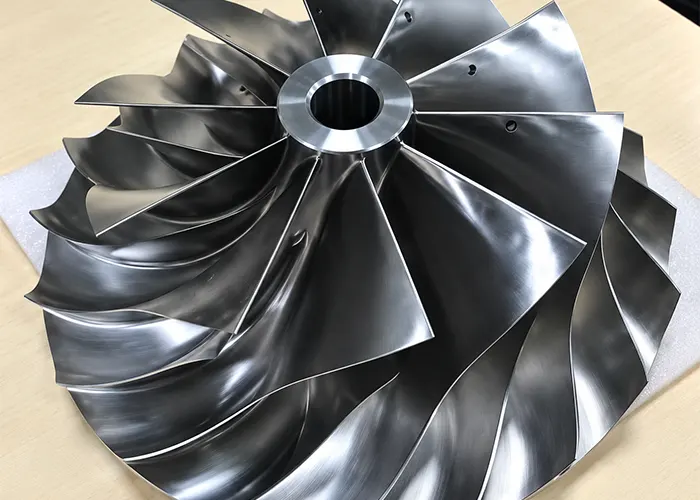
Complex thin-walled parts are widely used in high-end equipment manufacturing sectors such as aerospace, automotive manufacturing, and mold manufacturing; their machining quality has a significant impact on product performance and service life.

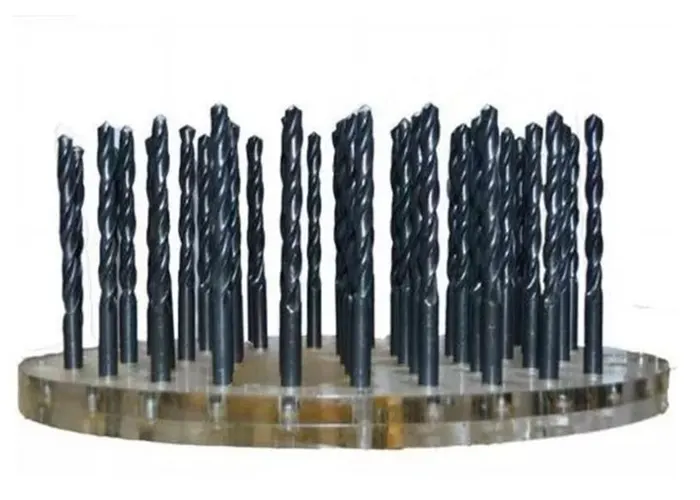
The machining quality of CNC turning is closely related to the wear status of cutting tools; once tool wear exceeds acceptable limits, it can lead to dimensional deviations in workpieces and a decline in surface quality.

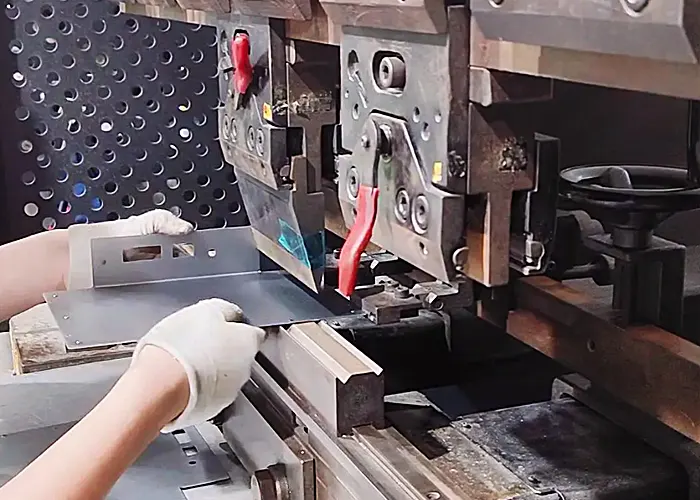
Thanks to its excellent corrosion resistance, mechanical stability, and formability, 304 stainless steel is widely used in high-end manufacturing sectors such as aerospace, medical devices, and food processing equipment.

As precision requirements for large integrated die-casting molds used in new energy vehicles continue to rise, chatter during five-axis high-speed milling has evolved from an occasional defect into a critical bottleneck that limits machining quality and batch production capacity.

As modern manufacturing evolves toward higher precision and lighter weight, high-strength aluminum alloys in the 7075 and 2024 series have become key materials in sectors such as aerospace and automotive manufacturing, thanks to their high strength-to-weight ratio and excellent fatigue properties.