
Die casting offers an efficient and low-cost solution for the mass production of complex parts, however, the quality of the finished product depends on the materials used in the die casting process. Selecting the right material with the right properties is critical to achieving the desired result.
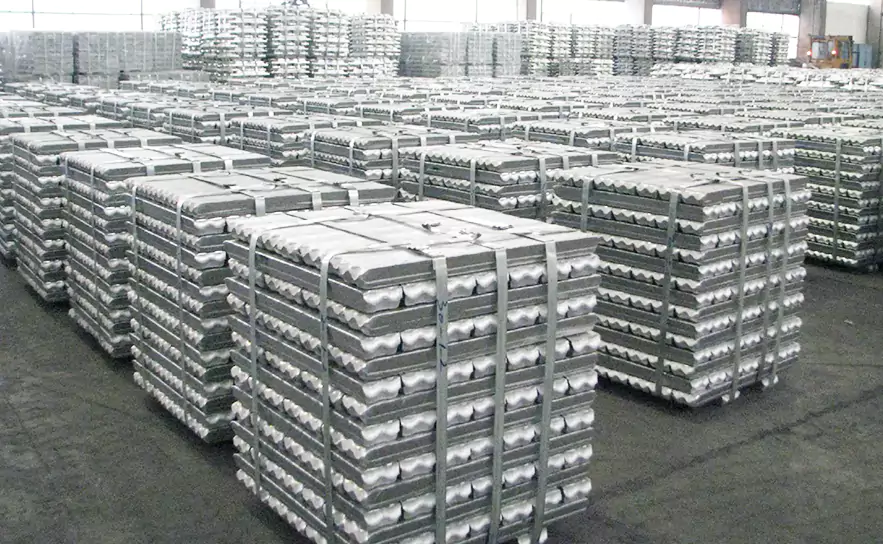
Aluminum alloys
Die-casting aluminum alloys have good performance and process performance, so the die-casting of aluminum alloys has developed rapidly and has been widely used in various industrial sectors.
Material properties:
- Strong and durable: Aluminum alloys are tough, hard, and resist corrosion. For instance, parts made from ADC12 are both sturdy and wear-resistant.
- Efficient heat transfer: Aluminum alloys boast exceptional thermal conductivity. This efficiently spreads and dissipates heat, enhancing parts’ ability to withstand high temperatures.
- Easy to mold: Aluminum alloys are highly fluid, allowing them to effortlessly fill molds and solidify rapidly to create desired parts. This ease of molding enables efficient mass production of numerous identical or diverse parts within a short timeframe.
common types: ADC7,ADC10, ADC12,ADC14 A380, A360, A353
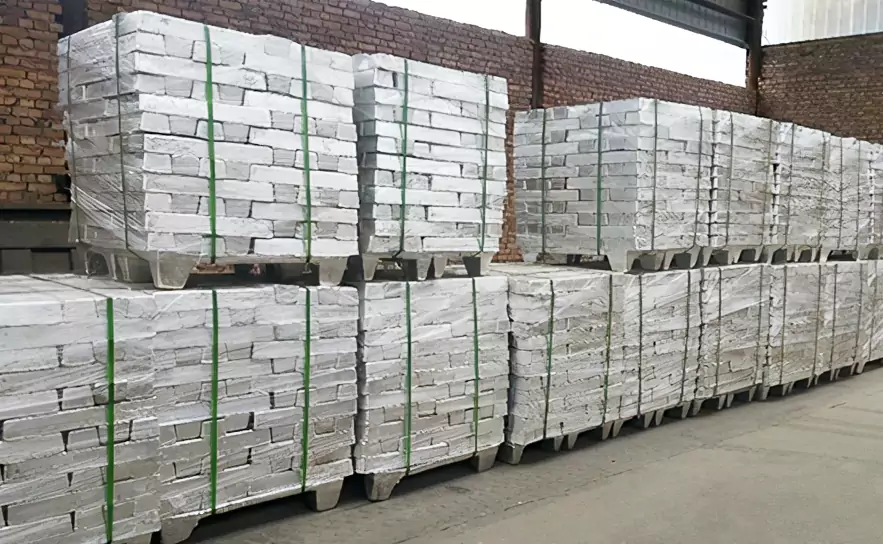
Magnesium alloys
Magnesium alloy is an alloy composed of magnesium and other elements. The main alloying elements are aluminum, zinc, manganese, cerium, thorium and a small amount of zirconium or cadmium.
Material properties:
- Light weight, high specific stiffness, high specific strength, strong thermal conductivity
- Good machining performance, good impact resistance and compression resistance
- Good die-casting performance, good dimensional accuracy and stability
- Good regeneration, can be completely recycled
- Low corrosion resistance, flammable and explosive
Mainly used in aerospace, military, automobile, motorcycle and 3C electronic products.
Type: AZ91D, AZ80M, AZ31B, AM60B, M2M
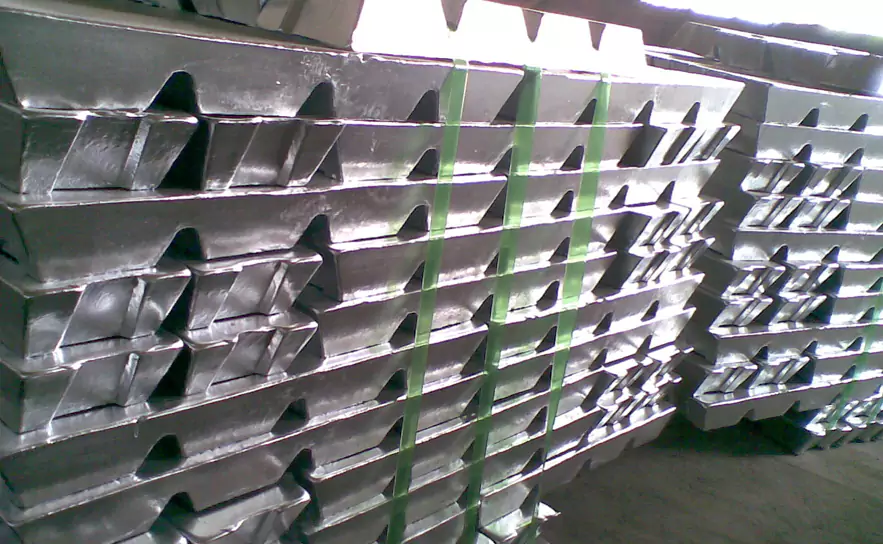
Zinc alloys
Zinc alloy is an alloy composed of zinc and other elements. Often added alloying elements are aluminum, copper, magnesium, cadmium, lead, titanium and other low-temperature zinc alloys.
Material properties:
- Large specific weight; good casting performance, can die-cast precision parts with complex shapes and thin walls, and the surface of the castings is smooth;
- Surface treatment methods: electroplating, spraying, painting, electrophoresis, polishing, etc.;
- It has good mechanical properties and wear resistance at room temperature;
- Poor corrosion resistance, not suitable for use in high or low temperature (below 0°C) environment
Mainly used in toys, lamps, decorations, auto parts, mechanical and electrical parts, electrical components and their casings.
Type: AZ91D, AZ80M, AZ31B, AM60B, M2M, etc.
Mechanical & physical properities
High pressure casting offers more options for machine designers and significant cost advantages in high volume manufacturing.
Our proprietary thin-wall aluminum technology makes aluminum die casting the best choice for more customers.
Aluminum alloys
Aluminum Alloy |
Elongation |
Tensile Strength |
Yield Strength (0.2%) |
Impact Strength |
Shear Strength |
Hardness |
Density |
Melting Point (Average +/- 50) |
Thermal Conductivity |
Coefficient of Thermal Expansion |
Process |
|---|---|---|---|---|---|---|---|---|---|---|---|
% in 50mm |
MPa |
MPa |
J |
MPa |
Brinell (HB) |
g/cm3 |
°C |
W / m K |
µm/m°K |
||
| A380 | 3.5 | 324 | 160 | 4 | 190 | 80 | 2.71 | 566 | 96 | 21.8 | Cold Chamber |
| 383 (ADC12) | 3.5 | 310 | 150 | 4 | – | 75 | 2.74 | 549 | 96 | 21.1 | Cold Chamber |
| B390 | 1 | 317 | 250 | – | – | 120 | 2.71 | 580 | 134 | 18.0 | Cold Chamber |
| A413 | 3.5 | 290 | 130 | – | 170 | 80 | 2.66 | 578 | 121 | 21.6 | Cold Chamber |
| 413 | 2.5 | 295 | 145 | – | 170 | 80 | 2.66 | 578 | 113 | 20.4 | Cold Chamber |
| K-Alloy | 5 | 295 | 172 | – | – | 80 | 2.63 | 680 | 113 | – | Cold Chamber |
| A360 | 3.5 .5 | 317 | 170 | – | 180 | 75 | 2.63 | 577 | 113 | 21.0 | Cold Chamber |
Magnesium alloys
Magnesium Alloy |
Elongation |
Tensile Strength |
Yield Strength (0.2%) |
Impact Strength |
Shear Strength |
Hardness |
Density |
Melting Point (Average +/- 50) |
Thermal Conductivity |
Coefficient of Thermal Expansion |
Process |
|---|---|---|---|---|---|---|---|---|---|---|---|
in 50mm |
MPa |
MPa |
J |
MPa |
Brinell (HB) |
g/cm3 |
°C |
W / m K |
µm/m°K |
||
| AZ91D | 3 | 34 | 23 | 2 | 20 | 63 | 0.066 | 990 | 41.8 | 14.0 | Hot Chamber |
Zinc alloys
Zinc Alloy |
Elongation |
Tensile Strength |
Yield Strength (0.2%) |
Impact Strength |
Shear Strength |
Hardness |
Density |
Melting Point (Average +/- 50) |
Thermal Conductivity |
Coefficient of Thermal Expansion |
Process |
|---|---|---|---|---|---|---|---|---|---|---|---|
% in 50mm |
MPa |
MPa |
J |
MPa |
Brinell (HB) |
g/cm3 |
°C |
W / m K |
µm/m°K |
||
| Zamak 2 | 7 | 359 | 283 | 47 | 317 | 100 | 6.60 | 385 | 105 | 27.7 | Hot Chamber |
| Zamak | 10 | 283 | 221 | 58 | 214 | 82 | 6.60 | 384 | 113 | 27.4 | Hot Chamber |
| Zamak 5 | 7 | 328 | 228 | 65 | 262 | 91 | 6.60 | 383 | 109 | 27.4 | Hot Chamber |
| Zamak 7 | 13 | 283 | 221 | 58 | 214 | 80 | 6.60 | 384 | 113 | 27.4 | Hot Chamber |
| ZA 8 | 10 | 374 | 290 | 42 | 275 | 103 | 6.30 | 390 | 115 | 23.3 | Hot Chamber |
| ACuZinc5 | 5 | 407 | 338 | – | – | 115 | 6.85 | 452 | 106 | 24.1 | Hot Chamber |
| EZAC | 6.7 | 414 | 393 | – | – | – | 6.49 | 396 | – | – | Hot Chamber |
| ZA 27 – Zinc Aluminum | 3 | 425 | 376 | 12.8 | 325 | 119 | 5.00 | 431 /td> | 123 | 26.0 | Cold Chamber |
How to Make the Right Choice
Different materials can bring different performance characteristics to structural parts, so we must be very careful when choosing materials.
First, we need to consider the application environment of the structural member. If structural parts are going to be used in extreme environments, then we need to choose materials that can withstand these environments.
For high-temperature environments, heat-resistant alloy materials are usually selected, such as copper alloys or aluminum alloys; while for low-temperature environments, stainless steel or other alloy materials are good choices.
Second, we need to consider the loading conditions of the structural members. If the structural parts need to withstand high-strength loads, we need to choose high-strength materials, such as aluminum alloys, magnesium alloys or titanium alloys. Conversely, if the structural part needs to withstand lighter loads, we can choose lightweight materials such as aluminum or magnesium.
Finally, we need to consider the cost of the structural components. Different materials have different prices, and some high-performance materials are more expensive, so we need to make a trade-off between material performance and cost.
For some structural parts with low load and low requirements, we can choose materials with lower prices, such as aluminum or zinc;
When choosing a material, there are many other factors to consider, such as material availability, machinability, etc. However, the above factors are the key considerations when selecting suitable die-casting structural parts materials.
By taking these factors into consideration, we can select the most suitable material to ensure the performance and service life of the structural part.
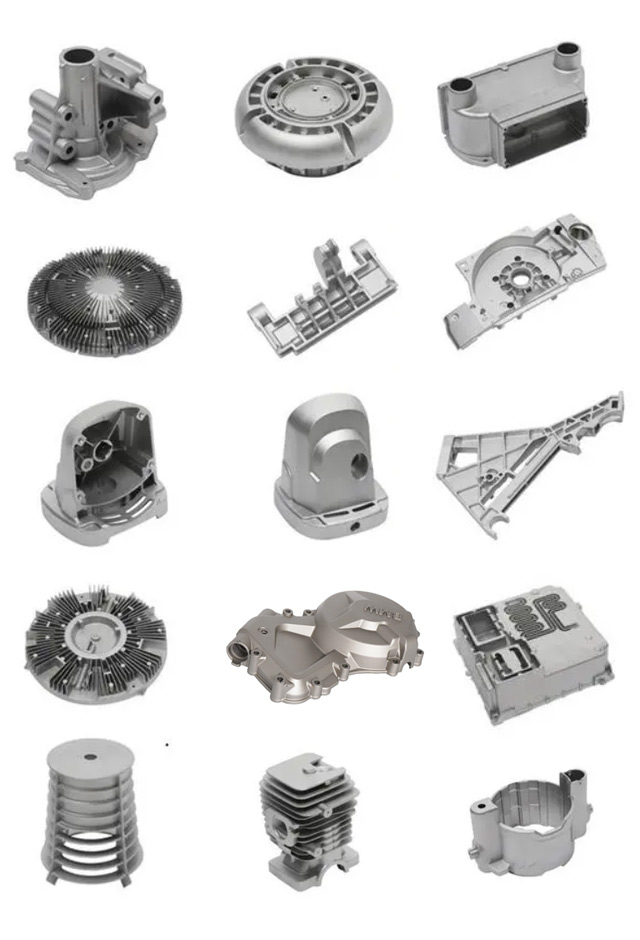
Reference
Relative Standard Data
Some standards related to die casting: ASTM B85 outlines the specifications; ISO 3522:2007 covers the chemical composition and mechanical properties of aluminum and aluminum alloys; ISO 8062:1994 indicates the tolerance of castings, including die casting.
Other
Materials are an essential basic capability in the industry, and their development can promote technology and innovation and society’s development. The current trend of material development is to be more environmentally friendly and energy-saving.
Related Blog

“Customers are our partners, so we prioritize their needs.”
— CapableMaching