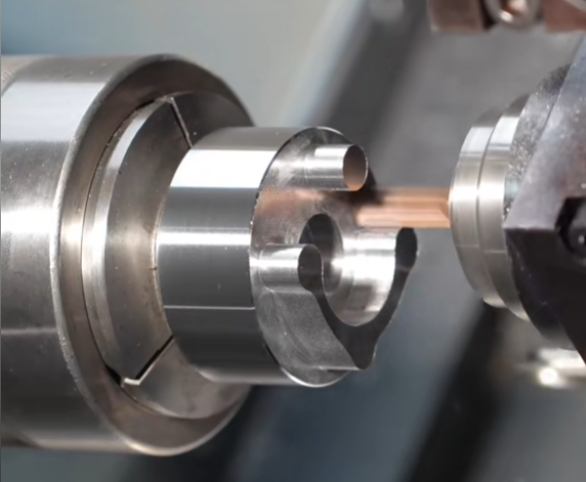
Lathe Eccentric Machining: 8 Expert Techniques for Accurate Eccentric Parts

Master Lathe Eccentric Machining with 8 practical techniques, including mandrels, chuck methods, CNC solutions, and precision tools for better eccentric part accuracy.

Master Lathe Eccentric Machining with 8 practical techniques, including mandrels, chuck methods, CNC solutions, and precision tools for better eccentric part accuracy.

Learn everything about turning-milling compound machining, including its working principle, machine structure, advantages, applications, and differences fr

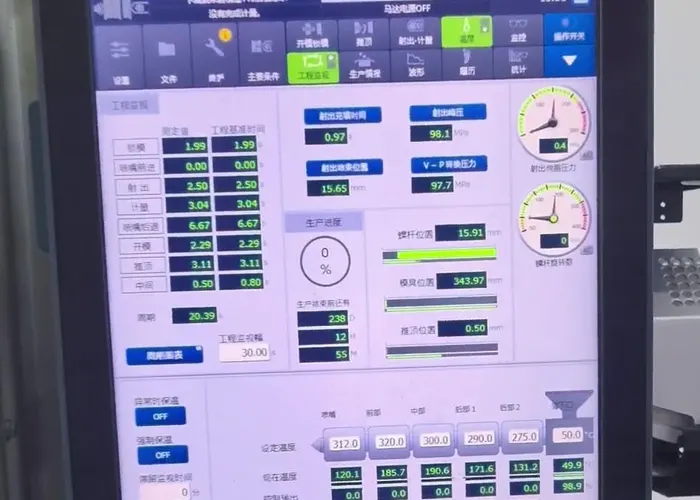
Learn how to achieve injection molding dimensional stability by controlling shrinkage, holding pressure, mold temperature, cooling, material moisture, and mold design. Discover proven troubleshooting methods and process standardization techniques to reduce dimensional variation, improve part quality, and increase production yield.

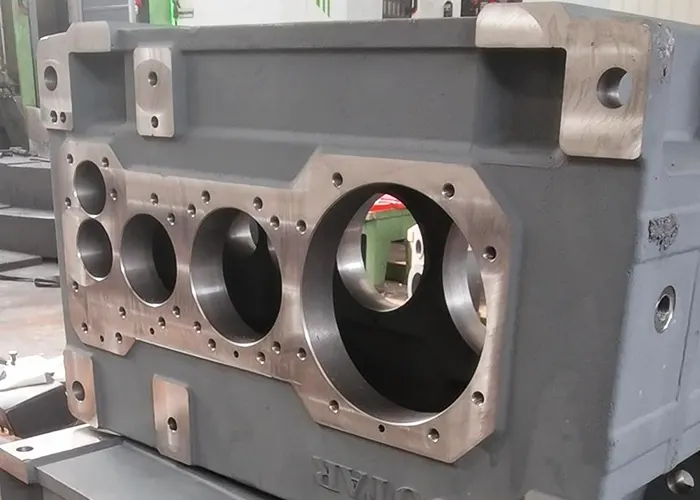
As mechanical equipment evolves toward higher precision and reliability, the structural design and machining quality of reducer housings increasingly influence overall machine performance.

The CNC machining process is a fully digital, step-by-step manufacturing workflow that transforms CAD designs into high-precision parts through automated, subtractive machining.

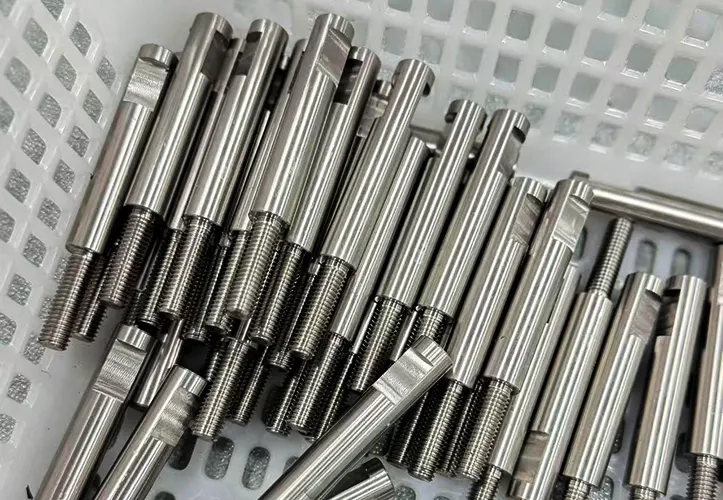
On any engineer's list of “nightmare materials,” tungsten alloys rank high. Their high density and extreme hardness make machining a grueling battle at every stage. How can we achieve an efficient leap from raw blank to precision part with this tough nut to crack?

Upgrading sheet metal processes by updating equipment is a common approach adopted by many enterprises today. However, within just a few short years, sheet metal equipment has entered a stagnation phase. It is boldly predicted that over the next several years or even decades, sheet metal equipment may not undergo significant changes.

In sheet metal processing, there are sometimes requirements for bending with extremely large radii, but due to equipment limitations, it is often difficult to meet these manufacturing requirements. In such cases, solutions must be sought through process optimization.

During injection molding, when the side walls of the plastic part feature holes, grooves, or protrusions (i.e., undercuts), it is necessary to ensure that the side-molded components are extracted before demolding.

Twist drills serve as the most widely used cutting tools in hole machining, but they allow large dimensional deviations and exhibit unstable cutting performance. With the popularization of smart manufacturing technology, users require a stable minimum limit value for twist…