


Shipments of vertical CNC lathes have seen a significant increase recently. This may be due to the explosive growth of the new energy sector, which has driven a surge in demand for the machining of related components.
Additionally, improvements in the supporting infrastructure for vertical CNC lathes have led to a continuous improvement in their cost-effectiveness.
The combined effect of these two factors has boosted sales of vertical CNC lathes.
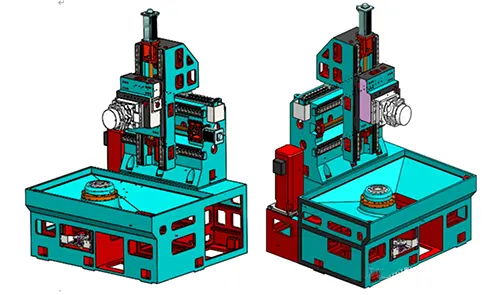
This article compares vertical and horizontal CNC lathes in terms of their structure, machining performance, and cost-effectiveness, providing a reference for machine tool users when selecting a machine.
Core Structure
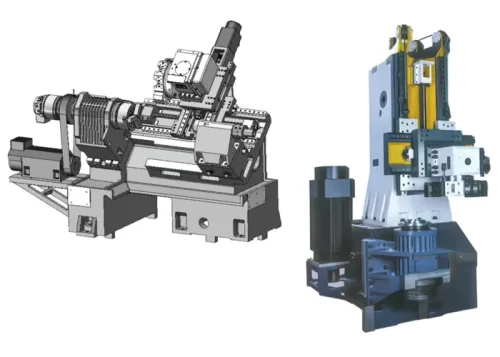
Comparison of Spindle Configurations
Vertical CNC Lathe: The spindle is arranged vertically, and the machine operator mounts the chuck and workpiece vertically downward or upward.
Horizontal CNC Lathe: The spindle is arranged horizontally, and the machine operator mounts the chuck and workpiece horizontally.
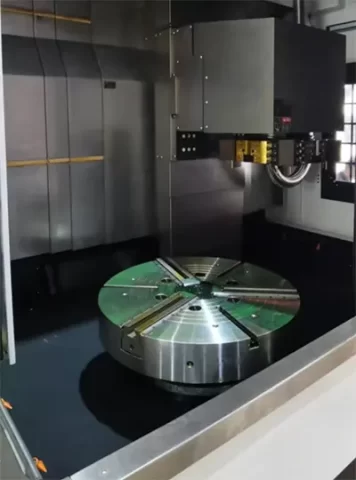
Comparison of Bed Types and Layout Structures
Vertical Lathe: The bed features a vertical frame structure, with a rotating worktable; the tool post is typically mounted on the side or top.
Horizontal Lathe: The bed features a long, horizontal structure, commonly found in flat-bed or slant-bed configurations, with an overall horizontal layout.
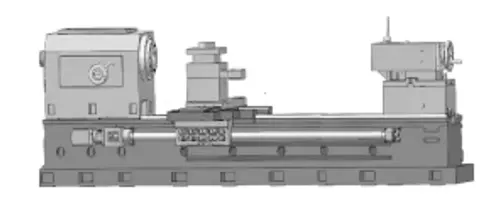
Comparison of Workpiece Clamping and Load Capacity
Clamping Methods
Vertical Lathe: The operator mounts the workpiece face down in a vertical position and clamps it with a chuck or worktable clamping plate. This lathe is suitable for machining large disc-type and disc-sleeve-type parts.
Horizontal Lathe: The operator clamps the workpiece horizontally and holds it at both ends with centers or chucks.
Suitable for shafts, long rods, and small- to medium-sized disc-shaped parts.
Load Capacity and Workpiece Dimensions
Vertical Lathe: Extremely high load capacity; capable of machining large-diameter, heavy, and bulky workpieces with minimal risk of deformation.
Horizontal Lathe: Limited load capacity; suitable for small- to medium-weight workpieces;
Extra-long shafts require auxiliary support from the tailstock.
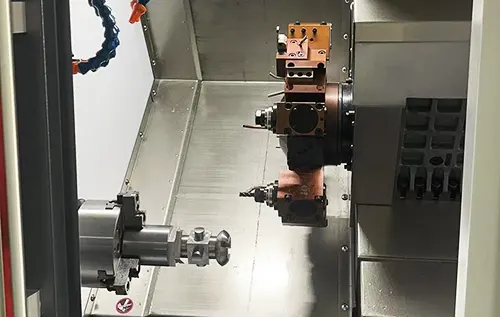
Comparison of Workpiece Types Suitable for Machining
Vertical CNC Lathe
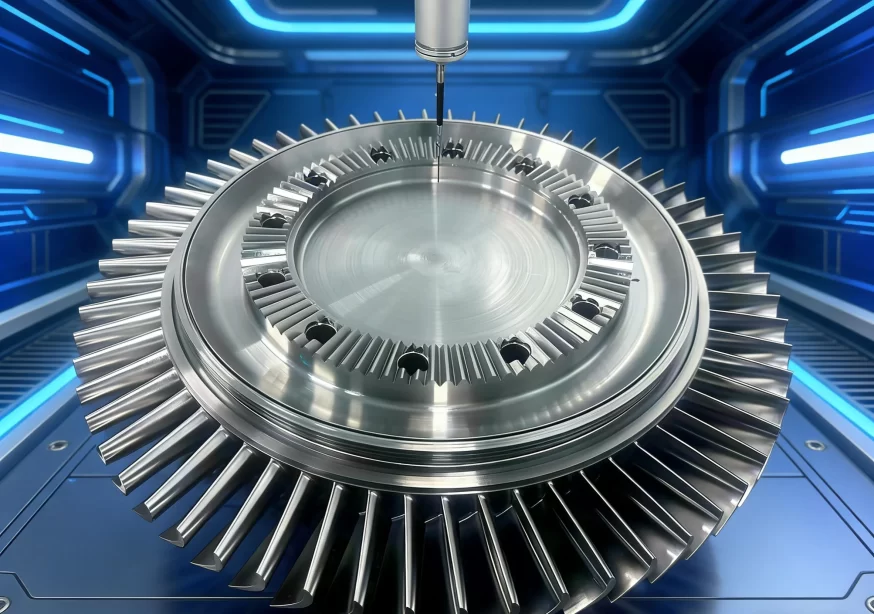
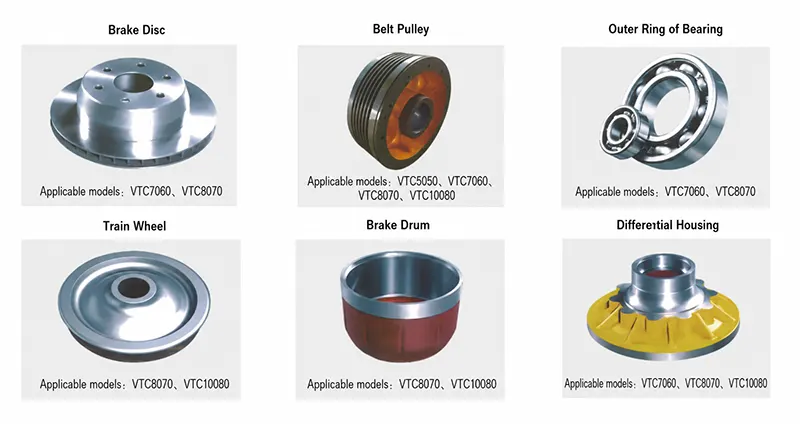
Main Types: Large flanges, gears, large bearing housings, brake discs, wheel discs, large valve bodies, thick-walled discs;
Suitable Workpieces: Machining of heavy-duty disc-shaped parts with large diameters and short lengths.
Horizontal CNC Lathe
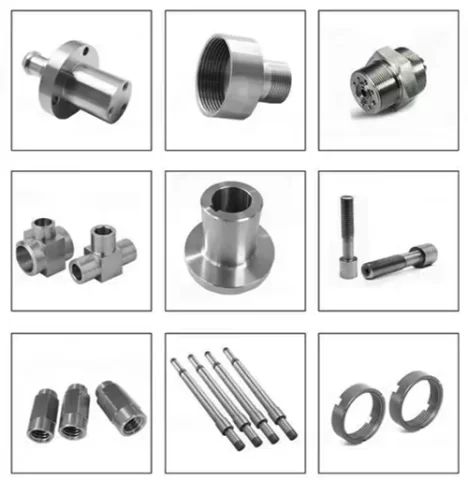
Main Types: Drive shafts, lead screws, pins, sleeves, small disc-shaped parts, and bushings;
Suitable Workpieces: Machining of long, small-diameter shafts and conventional small- to medium-sized disc-shaped parts.
Comparison of Rigidity and Cutting Stability
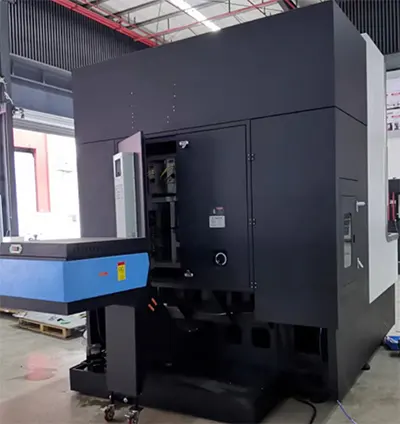
Vertical Lathe: The workpiece is positioned vertically, with gravity acting against the worktable, providing good vibration resistance and high rigidity.
It is suitable for heavy-duty cutting and machining of hard materials.
Horizontal Lathe: Long workpieces are supported at one end, making them prone to vibration, and slender shafts have poor rigidity.
It is primarily used for light to medium-duty cutting, and its heavy-duty cutting capability is inferior to that of a vertical lathe of the same specifications.
Comparison of Chip Removal and Protection
Chip Removal Effectiveness
Vertical Lathe: Metal chips fall naturally under gravity, allowing for smooth chip removal and minimizing the risk of accumulation or entanglement.
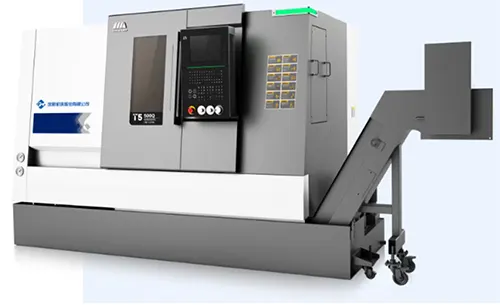
Horizontal Lathe: Metal chips scatter laterally and tend to accumulate on the guideways, chuck, and workpiece surface;
Long chips are prone to becoming entangled with the workpiece.
Protection and Oil Contamination
Vertical lathes: Coolant flows downward, allowing for the centralized collection of oil and metal chips, keeping the machine table clean and simplifying maintenance.
Horizontal lathes: Coolant splashes over a wide area, easily contaminating guideways and lead screws, requiring more rigorous sealing and protection measures.
Travel and Machining Capabilities
Vertical lathes: Large radial (diameter) travel, small axial (height) travel;
Limited workpiece height, but no limit on large diameters.
Horizontal lathes: Large axial (length) travel, small radial (diameter) travel;
Limited maximum swivel diameter, but well-suited for long workpieces.
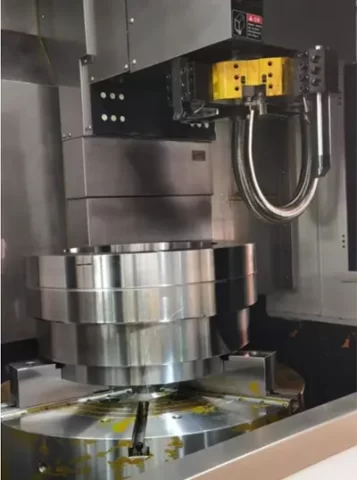
Comparison of Workpiece Clamping, Alignment, and Operational Convenience
Vertical Lathes: Large workpieces are easy to hoist into place without the need for additional support, and alignment of large parts is intuitive;
Manually loading and unloading large parts requires minimal effort.
Horizontal Lathes: Manual clamping of small parts is quick, and loading and unloading of small batches of small parts and shafts is highly efficient, making them suitable for production involving frequent changes of small parts.
Compatibility with Automation and Loading/Unloading Systems
Vertical lathes: Compatible with heavy-duty gantry robots and crane-based loading/unloading systems;
Suitable for automated production lines handling large parts.
Horizontal lathes: Compatible with small gantry robots, feeders, and bar feeders;
Bar feeding systems are well-established, making them suitable for high-volume mass production of small parts.
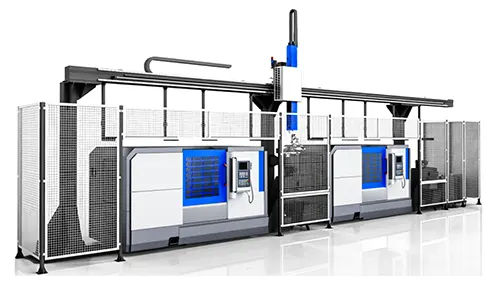
Differences in Floor Space and Workshop Layout
Vertical lathes: They have a small footprint, occupy a large vertical space, and are compact in width.
Horizontal lathes: They have a large horizontal footprint, occupy a small vertical space, and take up more floor space in the workshop.
Machining Accuracy and Suitable Processes
Vertical Lathes: Offer stable accuracy in the roundness of large workpieces and the flatness of end faces;
Suitable for heavy-duty finishing of end faces, outer diameters, inner bores, and grooves.
Horizontal Lathes: Offer excellent cylindricity and concentricity;
Suitable for precision machining of outer diameters, threads, tapered surfaces, and slender shafts.
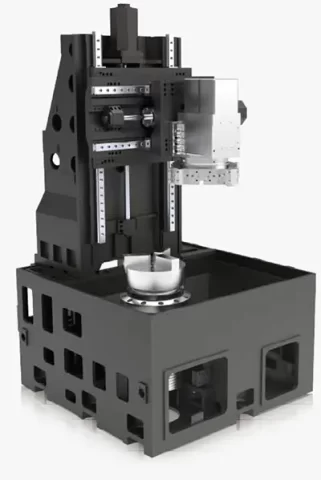
Comparison of Costs and Applications
Vertical lathes: High equipment cost and high power output;
Primarily used for single-piece or small-batch production in the heavy industry, construction machinery, wind power, and large valve sectors.
Horizontal lathes: High cost-effectiveness and widespread adoption;
The preferred choice for high-volume mass production in the general machinery, automotive parts, hardware, and precision parts industries.
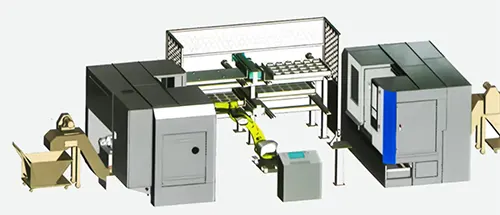
Conclusion
In summary, after comparing vertical and horizontal CNC lathes, the selection criteria are as follows:
1. Key difference: A vertically mounted spindle indicates a vertical lathe; a horizontally mounted spindle indicates a horizontal lathe;
2. Vertical lathes: Large-diameter parts, heavy-duty discs, heavy-duty cutting, and large-part machining;
3. Horizontal lathes: Long shafts, small-part batch production, threaded/slender shafts, and conventional precision mass production.