Properties and Processing of Plastics such as PS, HIPS, and PMMA

This article provides an overview of the fundamental properties and processing characteristics of commonly used injection-molding plastics.


This article provides an overview of the fundamental properties and processing characteristics of commonly used injection-molding plastics.
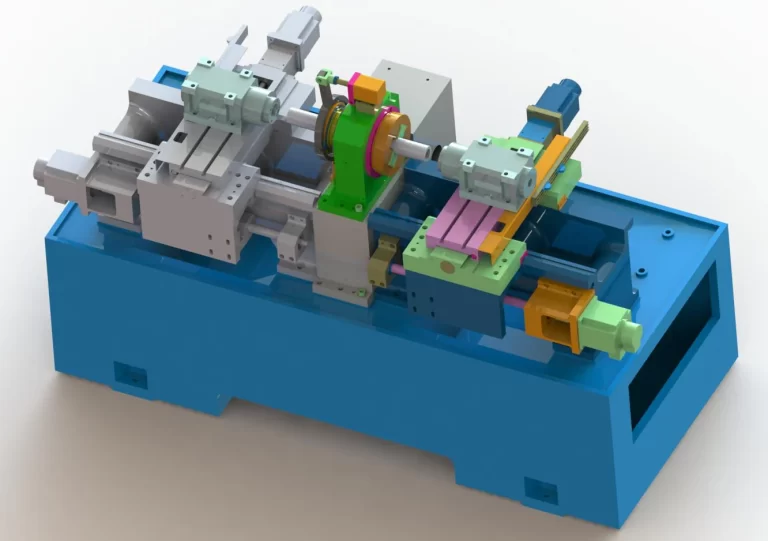
The design requirements for thin-walled, thin-plate structural components are to reduce product weight while ensuring structural strength. This paper investigates and analyzes the milling process of high-precision plastic thin plates.
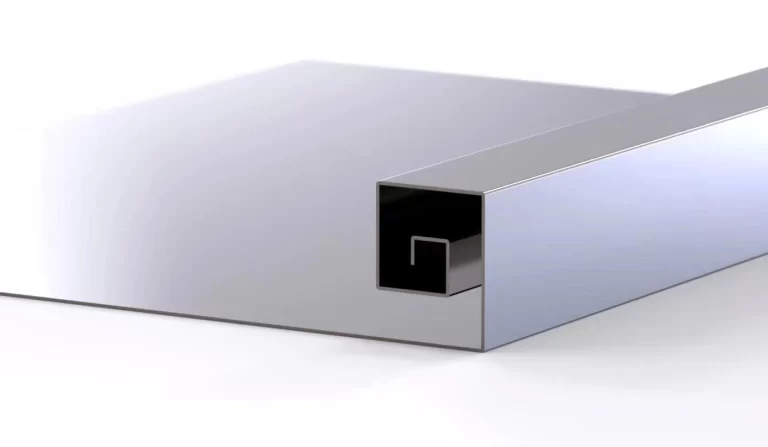
Sheet metal fabrication falls under the category of cold working processes, encompassing a series of operations including blanking, cutting, punching, bending, and riveting.

As the automotive industry advances toward greater mechanical automation, modularization, and component precision, the design philosophy and standards for automotive engines and parts continue to evolve annually.
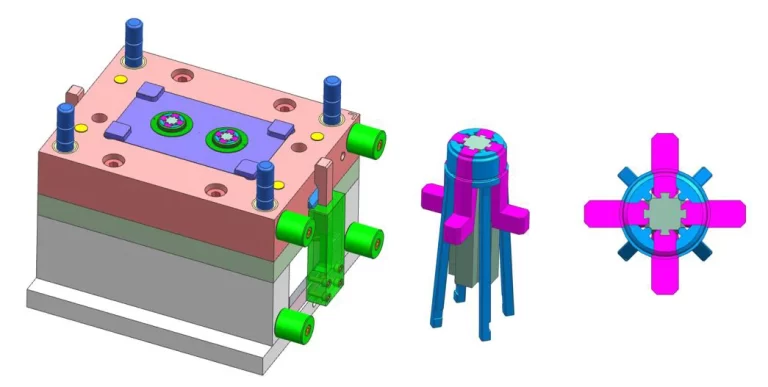
Due to material and manufacturing constraints or structural and functional requirements, a complete plastic packaging unit is typically divided into multiple components for separate production.
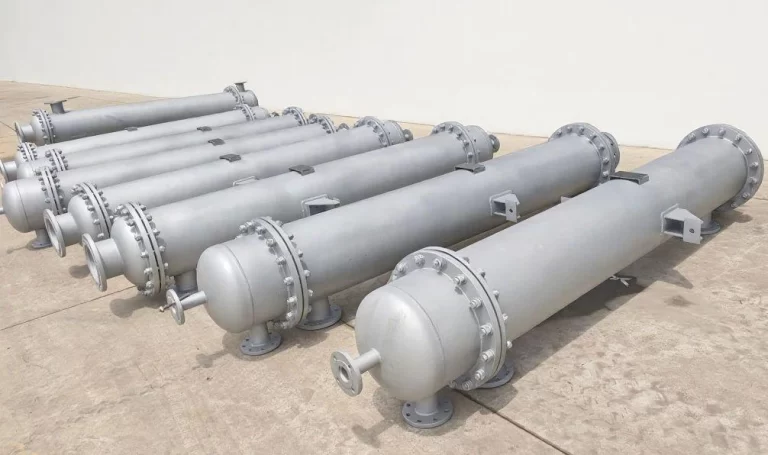
With the rapid development of the chemical industry, the performance and manufacturing quality of heat exchangers have become key indicators for evaluating equipment standards.
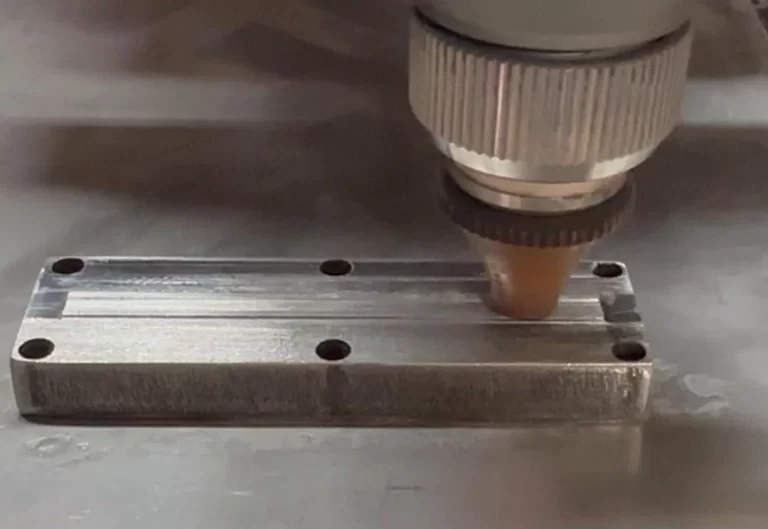
With the advancement of microelectronics and micromechanics, the demand for machining minute features on components has grown significantly, placing higher demands on micro-feature machining technologies.
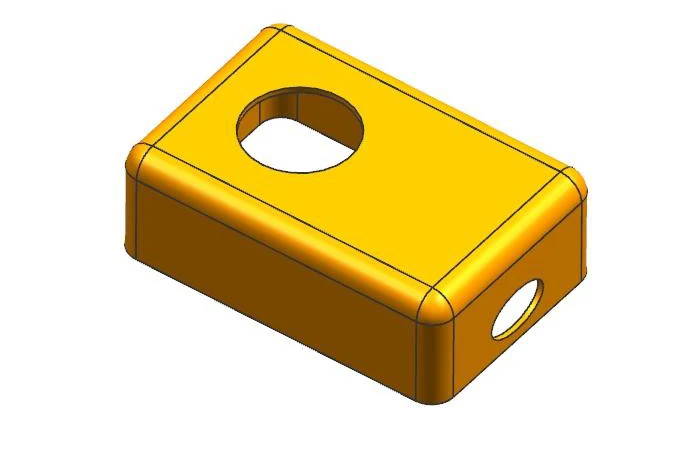
With the rapid development of the global economy, the power industry has also achieved remarkable progress. The widespread application of electrical equipment has effectively promoted the reform and improvement of power mechanisms.
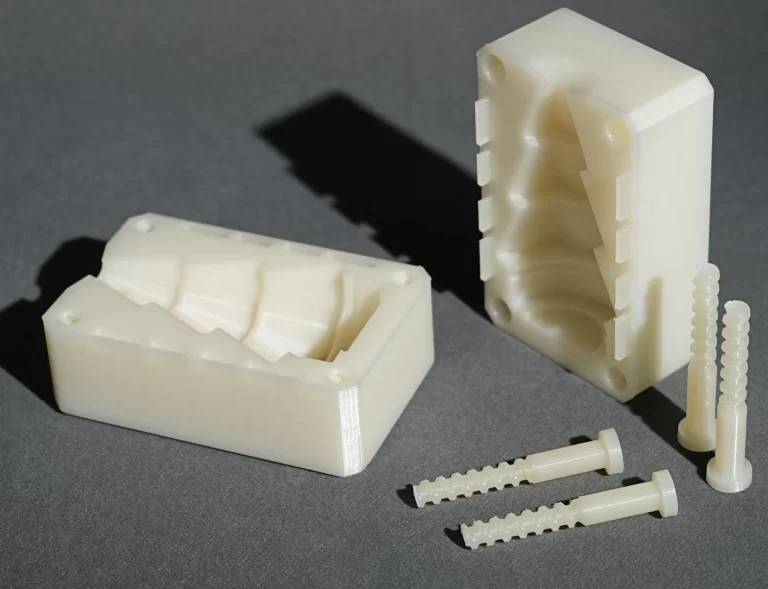
Polyamide (nylon), as a crucial class of synthetic polymer materials, possesses outstanding mechanical properties, wear resistance, and ease of processing, occupying a significant position in modern industry.
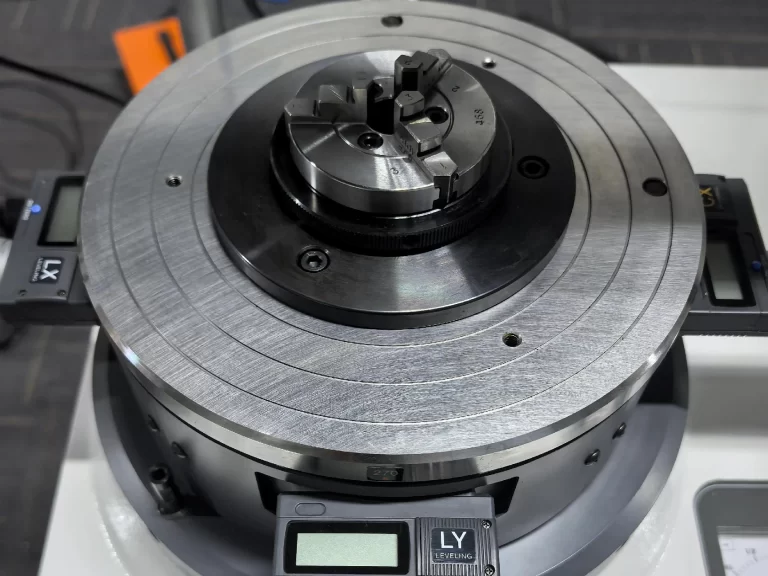
Taper, as a critical dimension in the mechanical processing industry, demands increasingly higher standards for measurement efficiency, accuracy, and range as advanced manufacturing continues to evolve.