
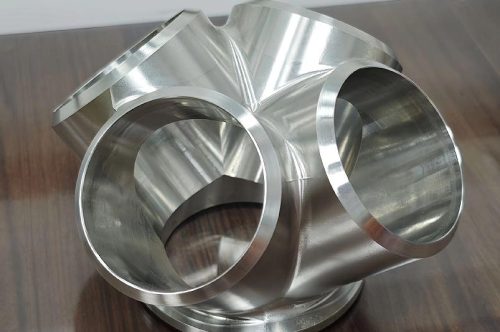

China CNC Milling » Blog » Machining Processes for Lathe Supports and Fixture Design Analysis
FAQ
What materials can you work with in CNC machining?
We work with a wide range of materials including aluminum, stainless steel, brass, copper, titanium, plastics (e.g., POM, ABS, PTFE), and specialty alloys. If you have specific material requirements, our team can advise the best option for your application.
What industries do you serve with your CNC machining services?
Our CNC machining services cater to a variety of industries including aerospace, automotive, medical, electronics, robotics, and industrial equipment manufacturing. We also support rapid prototyping and custom low-volume production.
What tolerances can you achieve with CNC machining?
We typically achieve tolerances of ±0.005 mm (±0.0002 inches) depending on the part geometry and material. For tighter tolerances, please provide detailed drawings or consult our engineering team.
What is your typical lead time for CNC machining projects?
Standard lead times range from 3 to 10 business days, depending on part complexity, quantity, and material availability. Expedited production is available upon request.
Can you provide custom CNC prototypes and low-volume production?
Can you provide custom CNC prototypes and low-volume production?
Hot Posts

Machining lathe supports is a complex process requiring multiple stages such as rough machining and finish machining to complete.
Therefore, ensuring the level of process technology and machining quality is crucial.
Technicians must adapt the machining process to the material properties, structural characteristics, and specific machining requirements.
This ensures effective use of the process technology and achieves optimal machining results. Simultaneously, greater attention must be paid to the rational and scientific design of fixtures.
Ensuring the quality of fixture design is a vital prerequisite for guaranteeing that lathe support machinery performs as intended during operation.
It is also a crucial safeguard for enhancing industrial processing efficiency.
Fundamentals of Lathe Support Frame and Fixture Design
In the manufacturing process of lathe support frames, machining techniques are indispensable.
By using diverse raw materials and a series of intricate processing steps, manufacturers can produce support frames of different shapes, dimensions, and performance characteristics.
These frames meet the machining demands of various factory workshops. The machining process encompasses material preparation, rough machining, finish machining, heat treatment, and inspection.
During processing, technicians must select the most suitable equipment and tools based on the requirements.
They must also set precise cutting parameters to ensure the final accuracy and efficiency of the lathe support.
As a critical component of lathe support machinery, fixture design is paramount. Fixtures primarily secure workpieces to prevent displacement or deformation during machining.
This ensures optimal processing precision and maintains overall workpiece quality.
Scientific fixture design not only enhances production efficiency but also reduces material waste and improves factory profitability.
The design process begins with a structured approach to clamping mechanisms to meet specific machining requirements.
Next, in the machining process, technicians must process critical components such as locating blocks and bases using appropriate techniques, like turning and drilling.
This ensures their dimensional accuracy. Precise machining is also required for components like hole positions.
Finally, after completion, heat treatment is applied to enhance the fixture’s hardness. Subsequent treatments like spraying or plating can then be applied to extend the fixture’s service life.
Key Factors in Lathe Support Mechanism and Fixture Design
When designing and manufacturing lathe support mechanisms and fixtures, engineers must thoroughly consider all factors that may affect their quality.
This helps effectively prevent issues during actual construction and operation.
Through comparative analysis and summarization, the author identifies the following primary influencing factors.
-
Factors Affecting the Machining of Lathe Supports
Four primary factors influence the machining process of lathe supports:
1. Material Properties
This is the most critical factor affecting the final quality of lathe supports—indeed, the fundamental factor.
Without guaranteed raw material quality, the ultimate product quality cannot be assured.
Materials with different performance parameters not only determine the quality of various lathe support types but also affect the difficulty of machining.
Properties like corrosion resistance and strength must be scientifically selected and determined based on actual requirements.
For instance, low-carbon steel raw materials, with their high weldability and toughness, are widely used in the design and manufacturing of large lathe supports.
Conversely, high-carbon steel materials, characterized by superior hardness and wear resistance, are prioritized for high-precision lathe supports.
Field research indicates that higher-performance raw materials correlate with extended support lifespans and enhanced machining efficiency during practical operation.
2. Technical Expertise
While raw materials constitute the foundational influence, technical proficiency serves as the critical determinant of machining precision.
Optimizing the structural design of lathe supports according to practical needs can effectively enhance machining efficiency.
For instance, to reduce vibration frequency during processing, designs should aim to minimize support weight.
To lower cutting forces, wall thicknesses can be reduced. Through optimized machining processes, the goals of cost reduction and resource conservation can be maximized.
3. Cost Considerations
Cost represents another critical factor in lathe support machining processes.
During production, stakeholders must balance material and technical requirements with cost control elements, including equipment conditions, labor expenses, and material costs.
Through optimized process design and measures such as raw material conservation and efficiency improvements, effective cost management objectives can be achieved.
4. Personnel Aspects
The effectiveness of technology implementation hinges on personnel. The technical proficiency and skill level of operators significantly impact the machining quality of lathe brackets.
Therefore, it is essential to ensure that machining personnel possess the requisite technical expertise and competence.
Technicians must not only master various techniques but also be capable of operating diverse machinery and equipment.
This ensures consistent machining quality throughout the production process.
-
Factors Affecting Fixture Design
As a critical component in lathe support machining, the optimized design of fixtures is paramount and influenced by multiple factors.
Therefore, to ensure fixture stability, three key aspects must be considered.
1. Workpiece Specifications
Workpiece dimensions, shape, size, and other specification factors are the primary considerations in fixture design.
Different workpiece shapes require corresponding fixture design solutions.
For instance, when machining workpieces with relatively complex shapes, fixture design must include multiple clamping and locating points.
This ensures sufficient stability during processing.
2. Material and Machining Method
Material properties and machining techniques must also be considered during fixture design. Different workpiece materials impose varying demands on fixture characteristics like wear resistance.
For instance, machining high-hardness workpieces necessitates fixtures with enhanced wear resistance and clamping force.
Additionally, machining methods influence fixture design: workpieces demanding high precision require fixtures with superior stability and positioning accuracy.
Designers must optimize fixture structures and select higher-precision clamping components.
This helps determine operational methods, guides actual operations, and improves machining accuracy.
3. Production Factors
If the fixture is used for high-efficiency operations, i.e., handling large-volume production tasks, the design must ensure rapid clamping capability and high reliability.
This guarantees both machining efficiency and workpiece quality. Additionally, the design should prioritize ease of operation and user-friendliness.
This will enable operators to perform clamping tasks quickly and accurately, while minimizing any adverse effects on processing efficiency.
Of course, production safety remains a critical consideration in fixture design. Without production safety, stable production is impossible.
Therefore, designers must thoroughly evaluate safety factors in rapid clamping designs.
This includes implementing safety protection devices to ensure both safety and reliability alongside rapid clamping capabilities.
Recommendations for Improving Lathe Support Machining and Fixture Design
As a critical component in mechanical processing, lathe supports have achieved increasingly mature manufacturing technologies amid continuous industrial advancements.
Their machining quality and precision play a decisive role in determining the performance of workshop machining equipment.
In today’s fiercely competitive market environment, those who master higher-level lathe support machining techniques and fixture processing capabilities will gain a distinct competitive edge.
This paper examines the current state of lathe support machining techniques and fixture design, as well as the key factors that influence them.
It also provides recommendations to enhance both the machining processes and the fixture design capabilities for lathe supports.
-
Scientific Selection of Processing Materials
The machining process for lathe supports involves relatively complex procedures and stages, including raw material selection, cutting, drilling, milling, and more.
With continuous advancements in machining technology, the processing techniques for lathe supports have also made significant strides.
However, numerous challenges persist, such as excessively high material costs and insufficient machining precision.
Therefore, to further enhance both the machining quality of lathe supports and the design/processing standards of fixtures, efforts must focus on optimizing raw material selection.
It can be said that raw materials form the foundation of lathe support processing. Only by ensuring optimal material selection can the highest level of process improvement be achieved.
First, materials with appropriate properties must be selected for lathe support processing based on usage conditions such as environment, workpiece type, and operator skill level.
Most importantly, materials must exhibit high toughness and wear resistance to ensure superior performance of the lathe supports.
Second, during processing, material utilization must be maximized.
Optimize cutting ratios to minimize scrap waste, exercise careful material handling during processing, and avoid unnecessary material consumption.
Concurrently, establish a material management system with traceable tracking of scrap materials.
This enables their potential reuse in subsequent manufacturing stages, thereby reducing the likelihood of unnecessary material wastage.
-
Improving Process Technology
The enhancement of lathe support machining technology fundamentally relies on the selection of optimal raw materials, while improving process technology is the key.
Addressing the prevalent issues and primary influencing factors in current lathe support machining processes requires, first and foremost, the introduction of advanced technologies.
These technologies must then be effectively applied to improve the overall process.
Workshops should appropriately adopt more sophisticated techniques—such as CNC machining—based on current technological capabilities and market demands.
CNC processing enhances manufacturing precision and accuracy, ensuring batch production of lathe supports according to specifications while boosting efficiency.
For instance, laser cutting technology can enhance machining precision for machine tool supports while reducing material waste.
Furthermore, adopting information-based machining technologies effectively optimizes processing parameters and workflow routes.
This approach reduces machining complexity and genuinely achieves both cost reduction and efficiency gains.
Secondly, timely maintenance of all machining equipment is crucial. Given the demanding daily workload of these machines, their wear and tear is significant.
Failure to perform regular maintenance and upkeep will directly impact machining accuracy and efficiency.
Therefore, workshops should assign dedicated personnel to conduct daily inspections, maintenance, repairs, and upkeep of processing facilities.
This ensures all equipment remains in optimal working condition and performance.
To this end, advanced digital inspection equipment can be introduced to enhance the informatization and intelligence of equipment management, guaranteeing timely detection and resolution of issues.
Finally, strict control over the processing workflow is essential.
Through quality inspections and other methods, conduct ongoing quality checks on lathe support equipment, rigorously monitoring each processing step.
Should any issues with the lathe support be detected, production must be halted immediately.
Only after equipment replacement or repair should production resume and the equipment be put back into service.
-
Optimized Fixture Design
During lathe bracket machining, optimized fixture design is indispensable.
The rationality of fixture design directly impacts the overall machining process quality.
First, the fixture structure must be rationally designed.
In practice, the overall structure should be optimized based on the varying shapes and dimensions of lathe brackets to ensure stable workpiece clamping.
Additionally, simplicity in design must be prioritized to facilitate easy disassembly and assembly by operators, thereby maximizing machining efficiency.
Second, scientifically select clamping components. Designers should choose elements with higher rigidity and clamping force to ensure high-performance clamping components.
This approach enhances the fixture’s overall clamping effectiveness and improves machining accuracy.
Finally, continuously optimize the clamping method by combining the lathe support structure and workpiece machining requirements, employing either multi-point clamping or flexible clamping.
The choice of clamping method directly impacts machining stability and the effective implementation of process capabilities, making its optimized design critical.
Additionally, to meet diverse machining production needs, the load-bearing strength of the fixture must be thoroughly considered. For instance, during the machining of lathe supports and fixture design selection:
(1) Based on drawing specifications, determine the reference control surface and establish the manufacturing reference plane.
Subsequently, adjust wear resistance through hardness and rigidity treatments. Each component is then secured into corresponding holes via locating pins to enhance overall wear resistance.
(2) Identify critical stress points on the fixture.
When stress is maximized, the fixture’s load-bearing capacity will be directly affected by corresponding disturbances.
-
Enhancing Personnel Technical Training
Personnel are pivotal to realizing process capabilities.
Therefore, whether improving lathe bracket machining techniques or optimizing fixture designs, it is essential to elevate the comprehensive technical proficiency of personnel.
(1) Identify existing personnel gaps among machinists, technicians, designers, and others.
Conduct diverse training programs to continuously enhance technical capabilities, foster innovation awareness, and elevate skill levels.
This ensures personnel can adapt to rapidly evolving technological environments and effectively address challenges posed by advanced technologies.
As a result, workshop productivity and the quality of lathe bracket production improve simultaneously.
(2) Send designated personnel for external training and participation in technical exchange conferences.
By studying advanced industry practices, processes, design philosophies, and methodologies, we can elevate our organization’s overall competitiveness.
This also leads to fundamental improvements in personnel competence.
(3) Introduce external experts. Invite industry specialists for on-site guidance and exchange to heighten employees’ crisis awareness and foster proactive learning attitudes.
Encourage staff to humbly seek advice and absorb the advanced techniques and experience brought by experts.
This cultivates a positive atmosphere for innovation within the organization, driving internal technological advancement and development.
Conclusion
Enhancing the machining process level of lathe supports and optimizing fixture design constitute a systematic and complex process.
Enterprises must consider multiple perspectives and leverage their human resources to form a cohesive force.
It is essential to grasp the fundamental principles of lathe support machining processes and fixture design.
At the same time, it is important to fully recognize the significance of enhancing both process and design capabilities for the advancement of the machinery industry.
By thoroughly evaluating various influencing factors, precise solutions can be identified to effectively elevate the machining process standards for lathe supports.
These solutions also help optimize fixture design and ensure the healthy, sustainable development of the machinery sector.