

China CNC Milling » Blog » High-Precision Machining of Pump Impellers for Improved Pump Efficiency and Reliability
FAQ
What materials can you work with in CNC machining?
We work with a wide range of materials including aluminum, stainless steel, brass, copper, titanium, plastics (e.g., POM, ABS, PTFE), and specialty alloys. If you have specific material requirements, our team can advise the best option for your application.
What industries do you serve with your CNC machining services?
Our CNC machining services cater to a variety of industries including aerospace, automotive, medical, electronics, robotics, and industrial equipment manufacturing. We also support rapid prototyping and custom low-volume production.
What tolerances can you achieve with CNC machining?
We typically achieve tolerances of ±0.005 mm (±0.0002 inches) depending on the part geometry and material. For tighter tolerances, please provide detailed drawings or consult our engineering team.
What is your typical lead time for CNC machining projects?
Standard lead times range from 3 to 10 business days, depending on part complexity, quantity, and material availability. Expedited production is available upon request.
Can you provide custom CNC prototypes and low-volume production?
Can you provide custom CNC prototypes and low-volume production?
Hot Posts
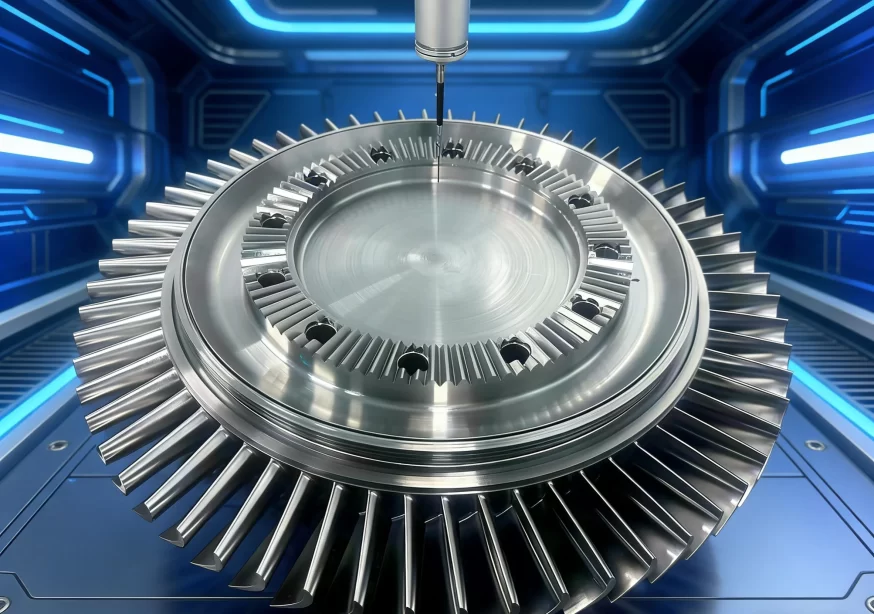
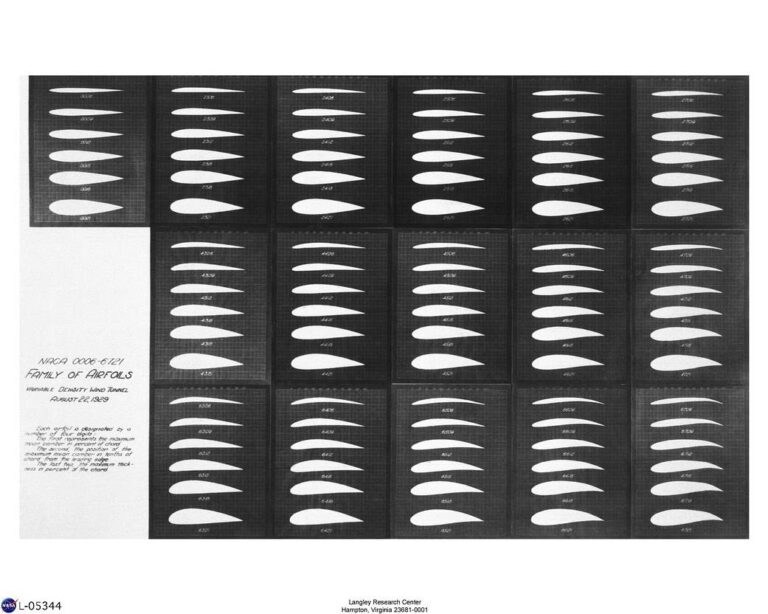
In modern industry, water pumps serve as critical fluid transfer devices, and their performance and reliability are essential to production processes.
As the core component of these devices, the manufacturing precision of the impeller directly affects the pump’s overall efficiency.
With advances in industrial technology, market demands for efficiency and stability in pump products are growing.
The use of high-precision machining methods can effectively improve the manufacturing quality of impellers, thereby enhancing the operational performance of the entire system.
Overview
The Essence of High-Precision Machining Processes
In today’s mechanical manufacturing industry, high-precision machining technology represents a production method that pursues the utmost precision.
This process encompasses traditional techniques such as turning, milling, planing, and grinding, integrating advanced CNC technology, precision measurement methods, and high-performance cutting tool materials.
Through this approach, dimensional accuracy of parts can be achieved at the micrometer or even submicrometer level, ensuring that both their geometric forms and surface finishes meet extremely high specifications.
In industries such as aerospace and precision instrument manufacturing, many core components rely on high-precision machining technology.
This technology ensures that these components maintain stable and reliable performance even under extreme conditions.
The use of high-precision machining technology reduces assembly deviations, thereby enhancing the overall operational efficiency and service life of equipment, and providing enterprises with a competitive edge in an increasingly intense business environment.
This reflects the trend toward greater precision and high-end development in the manufacturing sector and has become one of the key drivers of industrial upgrading and technological innovation.
Key Technical Elements of High-Precision Machining Processes
Achieving high-precision machining is a complex process that relies on the synergistic interaction of multiple key technologies.
High-performance CNC machining equipment serves as the primary factor. It uses precise positioning systems and stable drive mechanisms. It executes machining tasks strictly according to predetermined programs.
Furthermore, advanced cutting tool materials and surface treatment technologies are equally crucial.
New cutting tool materials such as cemented carbide and ceramics perform exceptionally well under high-speed cutting conditions.
Their high hardness, wear resistance, and excellent thermal stability support this performance.
Specialized coating techniques extend the service life of cutting tools. These coatings also reduce friction and wear during machining.
Precision measurement and inspection technologies are equally indispensable for ensuring machining quality.
High-precision measuring tools continuously monitor various part parameters during the production process.
These parameters include dimensions, geometric shapes, and positional accuracy. This monitoring quickly identifies any deviations. It also enables correction of these deviations.
Furthermore, the proper setting of machining parameters is a key factor.
By carefully adjusting factors such as cutting speed, feed rate, and cutting depth, manufacturers can ensure the precision of the final product while effectively improving production efficiency and reducing costs.
Current Status of Pump Impeller Manufacturing Processes
Traditional Pump Impeller Manufacturing Process
The traditional pump impeller production process primarily consists of several key stages. Material preparation comes first.
In this stage, sheet metal or castings are cut to the required dimensions and shapes through shearing, sawing, or flame cutting.
Casting or forging follows material preparation. This stage forms the foundation for shaping the impeller’s main structure.
Casting requires careful mold design. Engineers account for casting shrinkage allowances based on material properties. Operators strictly control pouring temperature and speed to ensure casting quality and precision.
Forging, on the other hand, involves using high temperatures and pressure to deform the metal, thereby producing impeller blanks with specific strength and toughness.
Rough and Finish Machining Stages
The rough machining stage removes excess material and performs preliminary shaping of the impeller’s exterior. This process lays the groundwork for subsequent, more precise operations.
This stage typically employs milling or turning techniques to machine mounting dimensions, with relatively lower precision requirements.
Finishing focuses on the precise machining of critical components such as blades and hubs. This process ensures they meet the dimensional accuracy and surface finish requirements specified in the design standards.
Manufacturers generally do not perform blade surface finishing at this stage.
The final stage involves assembly and commissioning. Technicians assemble and test all components to verify that the system’s performance meets the expected targets.
Advantages and Limitations of Traditional Manufacturing Methods
The advantages of traditional manufacturing methods lie in their mature processes and cost-effectiveness, making them suitable for large-scale production.
This approach also has several shortcomings. It struggles to achieve high-precision requirements for impeller blade flow channels.
It causes improper placement of casting material shrinkage. It uses a single mold for multiple parts.
It produces deviations in casting mold alignment or sand mold placement. It makes it difficult to ensure the accuracy of blade surface curves. It also causes deviations in the blade’s reference position from the design point.
These issues result in discrepancies between the impeller’s actual performance and its design specifications.
Additionally, efficiency is low during precision operations, requiring frequent adjustments, and the final product quality is significantly influenced by the operator’s technical proficiency.
Background on the Introduction of High-Precision Machining in Water Pump Impeller Manufacturing
As a critical component of water pumps, the manufacturing precision of impellers has a decisive impact on equipment performance.
In today’s industrial sector, demands for key performance indicators such as pump efficiency, flow rate, and head continue to grow.
Traditional production technologies increasingly prove inadequate. They fail to meet the standards required for high-precision impeller manufacturing.
Impellers manufactured using high-precision design and machining can reduce internal fluid leakage and vortex losses, thereby improving energy conversion efficiency, reducing energy consumption, and controlling operating costs.
In addition, this type of impeller enhances the pump’s operational stability and durability, extends its service life, and reduces the frequency of necessary maintenance.
In light of this, adopting advanced precision machining technologies has become an indispensable development strategy to improve overall performance and enhance market competitiveness.
These processes ensure that the blades form accurately according to specified design specifications. This accurate formation optimizes flow characteristics.
At the same time, this approach improves the centering accuracy and balance of the hub, reducing vibration and noise levels during operation.
Application of High-Precision Machining Processes in Pump Impeller Manufacturing
Application of High-Precision Machining Processes in Impeller Blade Machining
In the manufacturing process of pump impellers, the machining precision of the blades has a decisive impact on the overall performance of the equipment.
By employing high-precision machining technologies or 3D printing, particularly through the use of advanced CNC machining equipment and optimized process parameters, product quality can be enhanced.
Multi-axis synchronous CNC machines achieve precise material cutting within complex spatial structures.
These machines ensure the finished product’s geometry and dimensions strictly adhere to design standards.
Furthermore, by scientifically controlling key factors such as cutting speed, feed rate, and cutting depth, it is possible to maintain high-quality production while effectively improving work efficiency and reducing costs.
High-precision machining technology excels in improving the geometric accuracy and surface finish of impeller blades.
This precision process reduces surface roughness effectively. It also enhances surface smoothness.
These improvements lower the frictional resistance generated as fluid passes through and improve pumping efficiency.
Furthermore, precise control of the blade geometry helps optimize hydrodynamic performance, effectively suppressing vortex formation and leakage, and further enhancing the overall efficiency of the pump.
To illustrate with an example, the use of five-axis CNC machines combined with super-hard cutting tools can reduce the surface roughness of the mold to below Ra 0.2 μm, significantly improving the quality of the finished impeller.
In practical applications, high-precision machining technology enhances the manufacturing accuracy of the impeller;
By minimizing deviations during the machining process, it further improves the stability and reliability of the pump during operation.
For instance, precise machining ensures consistency in blade thickness and angles, effectively preventing vibration and noise issues caused by blade deformation or uneven wear.
Furthermore, high-precision machining enhances the blades’ resistance to corrosion and wear, thereby extending their service life and reducing maintenance costs.
Application of High-Precision Machining Processes
The machining accuracy of impeller hubs is critical to enhancing pump performance and reliability.
During the manufacturing process, precision turning, milling, and grinding are key steps in achieving high precision.
Precision turning operations require fine adjustment of cutting parameters. These adjustments ensure the hub’s roundness and axial alignment meet high standards.
Milling technology handles complex structural features on the blades and hub effectively. These features include keyways and threaded holes.
The use of high-precision milling effectively ensures the precise positioning and dimensions of these details, thereby enhancing the overall assembly accuracy of the impeller and its operational stability.
As the final stage in the hub manufacturing process, the grinding process primarily aims to improve the surface smoothness and dimensional accuracy of the blades and hubs.
High-precision grinding reduces minor surface irregularities on the blades and hubs effectively.
This reduction mitigates vibration and noise issues during operation. It also enhances the pump’s operational stability.
Laser surface hardening technology extends the average mold life to approximately 2.5 times its original duration.
The process also improves the wear resistance and corrosion resistance of the blade and hub materials.
This enhances the wear resistance of the blade and hub materials and improves their corrosion resistance.
Effects of High-Precision Machining on Accuracy and Stability
High-precision machining technology affects the dimensional accuracy of impeller blades and hubs.
It also affects their geometric accuracy. These effects are primarily reflected in the following aspects.
Advanced machining equipment and optimized parameter settings enable the dimensional accuracy of the blades and hubs to reach the micrometer level.
This level of accuracy reduces assembly errors effectively. It also improves the pump’s sealing performance and operational efficiency.
Furthermore, precise manufacturing processes ensure the geometric accuracy of the impeller blades and hub in terms of roundness, concentricity, and perpendicularity.
This helps reduce potential unbalanced forces during impeller operation, thereby enhancing the pump’s operational stability and reliability.
Quality Inspection and Process Monitoring
In actual production, the application of high-precision machining technology also necessitates rigorous monitoring of the manufacturing process and quality inspection.
For example, precision measuring tools such as coordinate measuring machines (CMMs) enable real-time monitoring of the hub’s dimensional and geometric accuracy.
These tools also enable correction of deviations in the hub’s dimensions and geometry. This process ensures consistent machining quality.
Effects and Optimization
The Impact of High-Precision Machining Processes
The application of high-precision machining technology in pump impeller production has improved various performance parameters of the impellers.
A comparative study of impellers manufactured using traditional and high-precision processes revealed that improving machining precision is of great significance for enhancing key performance indicators of the impeller, such as flow rate, head, and efficiency.
Traditional methods make it difficult to achieve extremely high surface smoothness and precise dimensional control.
This difficulty creates significant resistance as fluid passes through the impeller. The resistance reduces the overall efficiency and delivery capacity of the pumping system.
In contrast, advanced precision machining techniques can effectively reduce surface roughness to within Ra 0.2 μm, resulting in smoother, more streamlined blades.
This minimizes friction losses caused by fluid flow along the blades, thereby improving the operational efficiency of the entire system.
In practice, the adoption of high-precision machining technology enhances the quality of impeller manufacturing.
By minimizing manufacturing tolerances, this process enhances the stability and reliability of the pump during operation.
It also ensures consistency in blade thickness and angle, effectively reducing vibration and noise issues caused by blade deformation or uneven wear.
Additionally, precision machining helps improve the blade material’s resistance to corrosion and wear, extending its service life and reducing maintenance costs.
Research on key performance indicators such as flow rate, head, and efficiency provides clear performance data.
Under identical operating conditions, high-precision impellers increase pump flow rate by 10% to 15%. They also boost head by 5% to 10% and improve overall efficiency by 8% to 12%.
These improvements enhance equipment efficiency, reduce energy consumption and operating costs, and simultaneously deliver significant economic and environmental benefits.
Optimization Strategies for High-Precision Machining Processes
To further enhance the effectiveness of high-precision machining technology in water pump impeller production, this paper proposes a series of optimization measures and recommendations.
The primary task is to improve the selection strategy for machining equipment and tools.
Advanced multi-axis CNC machines improve machining accuracy and work efficiency. High-performance cutting tool materials such as cemented carbide and ceramics also contribute to better machining performance.
Additionally, the use of tool coating technology can effectively extend tool life and optimize performance.
Another key aspect lies in optimizing machining parameter settings.
By combining experimental research with numerical simulation methods to determine the optimal values for cutting speed, feed rate, and cutting depth, it is possible to improve production efficiency and reduce costs while ensuring machining quality.
Quality Control and Automated Balancing Technology
For example, laser surface hardening treatment extended the average service life of molds to 2.5 times the original duration.
The treatment also improved the wear resistance and corrosion resistance of the impeller.
In addition, manufacturers should strengthen quality control and inspection measures.
High-precision measurement tools, such as coordinate measuring machines (CMMs), can monitor and adjust the dimensional and positional accuracy of the impeller in real time, thereby ensuring consistent machining quality.
Manufacturers can introduce automated balancing equipment such as the Sedec fully automatic impeller balancing machine.
This equipment automatically completes balancing measurement, angular positioning, weight-reduction drilling, and re-measurement processes, thereby improving the balancing precision of the impeller.
Technological Innovation and Future Development
Finally, enterprises should promote technological innovation and development.
Continuous investment in research and development will further improve the overall performance and reliability of impellers.
Exploration of new processing methods and materials such as additive manufacturing and high-performance composites will support this improvement.
Implementation of the above improvement measures enhances the machining accuracy and surface quality of impellers effectively.
The measures also reduce error rates and the proportion of defective products during the machining process. Production efficiency and final product quality improve as a result.
Conclusion
High-precision machining technology plays a crucial role in the production of pump impellers, not only improving manufacturing accuracy and surface quality but also enhancing the overall performance and stability of the pumps.
Continuous advancements in CNC technology, materials science, and measurement technology will expand the application fields of this process.
In particular, the introduction of additive manufacturing methods has provided an innovative approach to the production of impellers with complex structures, significantly expanding design possibilities and improving manufacturing precision.
Furthermore, the development of intelligent production systems will drive the entire machining process toward automation and intelligence, thereby enhancing work efficiency and ensuring consistent product quality.
At the same time, as the concept of green production gains increasing attention, high-precision machining will place greater emphasis on energy conservation, reduced consumption, and environmental protection.
This technology will continue to lead innovation and development in the water pump manufacturing industry, playing a significant role in promoting sustainable growth in both industrial and agricultural sectors.